
Dewey Parole and Probation Compared
Oklahoma assigns parole decisions and day-to-day supervision to different bodies. The Oklahoma Pardon and Parole Board considers parole cases and records its actions. The Oklahoma Department of Corrections, or ODOC, implements a lawful prison release and its Probation and Parole Services staff supervise parolees and many probationers. Dewey County Jail is not the supervision agency. Its booking record can establish when local custody ended, but it cannot substitute for a current ODOC supervision record.
Probation comes from a court sentence. A person may receive probation without first serving an ODOC prison term, or probation may follow a period in jail. Parole conditionally suspends the unserved part of a prison sentence. It can be revoked. Neither label means that all legal duties have ended.
| Point | Parole | Probation |
|---|---|---|
| Source | Release from an ODOC prison sentence after required action | Court-ordered sentence or disposition |
| Decision record | PPB result, followed by ODOC implementation | Filed judgment, sentence, or later court order |
| Local verification | ODOC status plus the Woodward office | OSCN docket, ODOC status when applicable, and the Woodward office |
| End point | Discharge, expiration, or another lawful change | Court or ODOC discharge from the supervision term |
The terms often appear together because one ODOC field office handles both kinds of supervision. Their legal origins remain distinct. Read the status exactly as the agency displays it.
- Parole
- Conditional release from the remaining part of an Oklahoma prison sentence.
- Probation
- Court-ordered supervision in the community, sometimes instead of prison.
- Discharge
- The formal end of the relevant custody or supervision term.
- Absconder
- A person alleged to have stopped required contact or otherwise failed to comply with supervision.
Verify Dewey Post-Release Supervision
Begin with identity, not a name alone. The ODOC offender search works best with an ODOC number. A broad name search may return several people, so compare aliases, public identifying details, sentence information, and the displayed status. Open the individual record. A status showing parole or probation means supervision, while a discharged status points to a completed state-system term. A person whose whole case remained at the county jail may have no ODOC result.
- Search ODOC by number when available. If only a name is known, test the legal name and documented alias variants.
- Match the public identifiers and record the ODOC number. Do not rely on a results-row summary.
- Read the current status and supervision history as labeled. Save the date and time checked because status can change.
- For probation, search the OSCN docket with Dewey County selected and read the filed judgment or later order.
- Use ODOC's official office table to route a procedural question to the Woodward office serving Dewey County.
- If parole is involved, match the ODOC number in the correct PPB docket and result, then return to ODOC for proof of implementation.
The Dewey County released-inmate search path helps separate a county-jail release from an ODOC transfer. Leaving Dewey County Jail for a state institution closes the local booking but does not put the person in the community.
Dewey Supervision Routes Through Woodward
Dewey County does not have a listed ODOC probation and parole office inside the county. The official ODOC office table assigns Dewey to Woodward. That same office serves Alfalfa, Ellis, Harper, Roger Mills, Woods, and Woodward counties. This seven-county assignment is a practical check against calling a closer-looking regional listing that does not serve Dewey.
ODOC Probation and Parole Services
Woodward Office
1104 Hillcrest
Woodward, OK 73801
Phone: (580) 254-1539
Use the office for public routing and procedure after matching the correct person. Ask whether a public record confirms active ODOC supervision, which office has responsibility, or how inaccurate routing data may be corrected. Do not ask staff to disclose private reporting schedules, travel plans, treatment details, home-offer information, or other confidential supervision conditions. No official office hours were found, so call before traveling.
The manifest image below comes from the ODOC supervision-office directory.
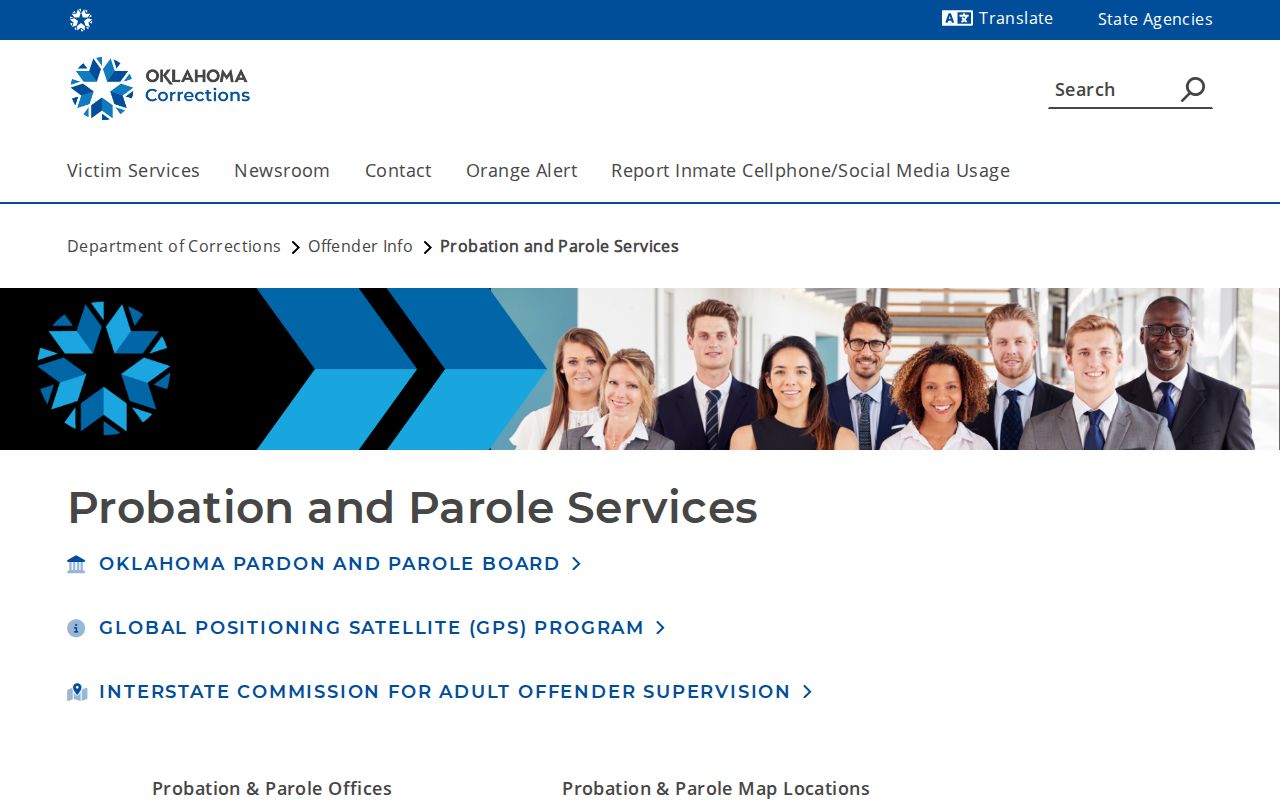
Its county assignment is the controlling routing detail for Dewey County supervision questions.
Dewey Parole Votes Aren't Releases
The PPB Dockets and Results archive is evidence of consideration and board action. Search the right month, match the ODOC number, identify the docket category, and use only the result label that appears. A document may show a grant, recommendation, denial, pass, deferral, or other case action. A favorable action still does not prove physical departure.
For a nonviolent grant, the parole certificate must be signed. ODOC must verify a valid home offer, complete stipulations, and check warrants or detainers. A statutorily violent case may require the Governor's decision after a favorable board recommendation. Even a person placed on a probable release list remains confined until ODOC issues and carries out the final releasing memorandum. “Parole to a consecutive case” can mean another sentence starts instead of community release.
The board's weekly processing details can help explain delay, but they are not a promise of a personal release day. Holidays, holds, case facts, and operational changes can shift the sequence. Confirm the later ODOC status and the agency custody record.
The official PPB archive shown here separates docket material from posted results.
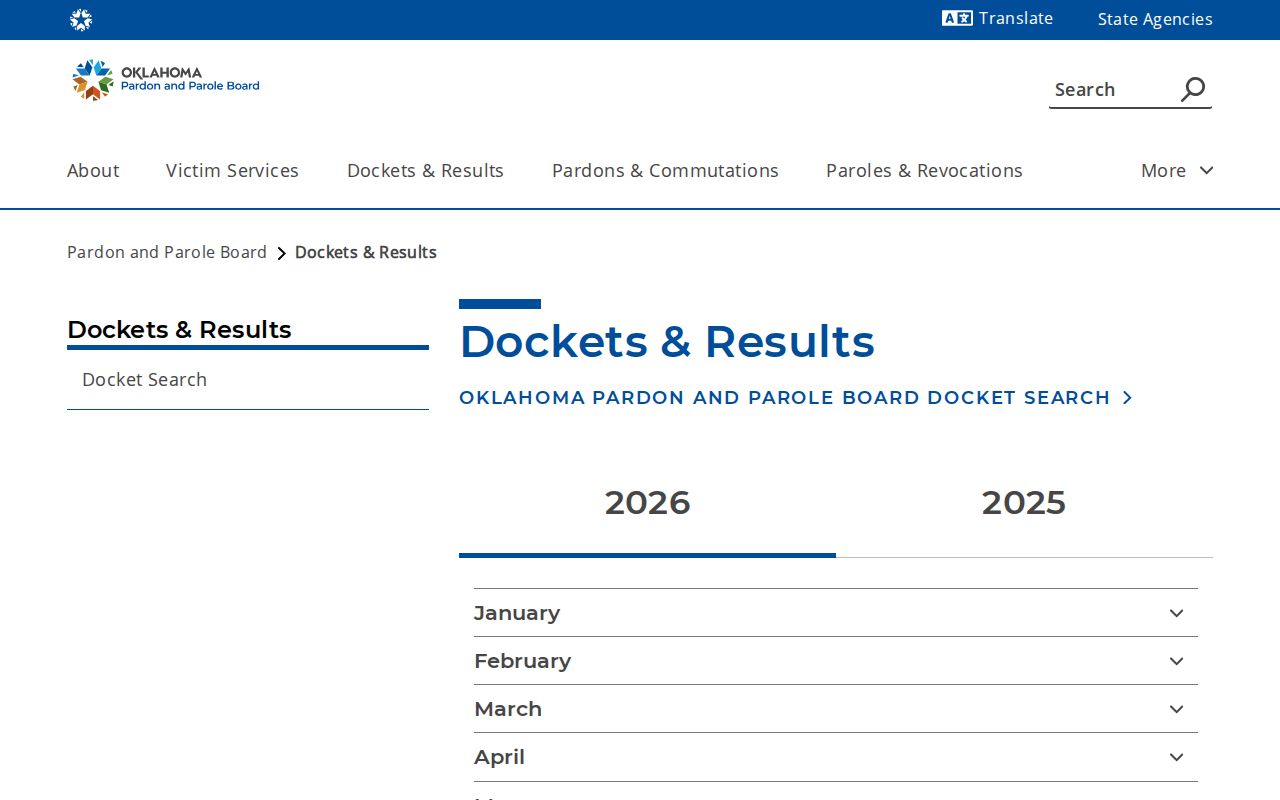
That separation is why a scheduled hearing should never be reported as a completed Dewey County release.
Dewey Supervision Violations and Warrants
Parole and probation conditions are rules tied to community supervision. They can address reporting, lawful conduct, approved residence, treatment, travel, or case-specific duties. Public records rarely reveal every active condition, and a generic list cannot establish what applies to one person. The filed court order and supervising agency control.
An absconder notation signals an alleged failure to remain in contact or comply. It does not erase the earlier release. ODOC maintains a separate fugitives search, but it is a warrant-status lead, not a released-inmate list. Match the ODOC number and verify any warrant with the issuing agency or court. Members of the public should not try to locate, contact, or apprehend a listed person.
A warrant and a supervision violation also answer different questions. A warrant shows that an authorized body seeks enforcement. A violation allegation describes claimed noncompliance and may still require a hearing or court action. Neither field should be enlarged beyond its stated meaning. Note the issuing office, warrant or case identifier, status, and date checked. Then use the court or agency record that owns the action.
Revocation can return a parolee to prison. The later custody record, not the old release entry, answers the current-status question.
Dewey Release and Parole Notices
Oklahoma uses more than one notification layer. OK VINE provides source-fed custody-change notices for events such as release, transfer, escape, apprehension, or death. It does not provide advance parole-hearing notice. Someone seeking hearing notices must use the separate written PPB victim-notification program, while ODOC Victim Services handles its own authorized custody and notification functions.
These programs should not be blended into one registration claim. A VINE release alert says that a contributing agency reported an event. A PPB notice concerns a hearing or board process. An ODOC record confirms state custody or supervision as displayed. Depending on the event sought, more than one registration may be needed.
VINE can also become inactive during a documented transfer from ODOC to an Oklahoma mental-health facility. That gap is not a discharge. If a Dewey County record disappears after a transfer, check the source agency and ODOC before drawing a conclusion. The state notification programs are meant to prompt verification, not replace it.
Note: Notification evidence is time-sensitive and useful, but the originating custody or supervision record remains the stronger confirmation.
How Dewey County Supervision Ends
Discharge is the formal end of the applicable ODOC supervision term. It differs from a parole grant, a jail release, a favorable hearing result, or the end of one court case. The public ODOC record may later show discharge or a custody and supervision history. When exact proof matters, request the existing ODOC record through the agency's legal-services channel and identify the person by ODOC number.
For probation, review the Dewey County court docket for an order showing completion, termination, acceleration, revocation, or another disposition. “Disposed” alone is too broad. Read the filed instrument. A court order may end one probation case while another sentence, registration duty, or supervision matter continues.
Public PPB records can remain useful after release, but an old result is historical. A later revocation, new warrant, or discharge can change the current picture. Match the ODOC number in every source. For a document missing from OSCN, ask the Dewey County Court Clerk for the filed instrument rather than treating the docket caption as the full order.
Oklahoma open-records law does not require an office to create a custom answer. Ask for an existing discharge, supervision-history, or court record, and request the legal basis for any redaction. Keep the agency name, check date, and record identifier with the result. That evidence chain preserves the difference between county custody, state supervision, and final discharge.